
scale(76.8)'/%3e%3cuse%20xlink:href='%23cn-a'%20width='30'%20height='20'%20transform='rotate(-121%20142.6%20-47)scale(25.5827)'/%3e%3cuse%20xlink:href='%23cn-a'%20width='30'%20height='20'%20transform='rotate(-98.1%20198%20-82)scale(25.6)'/%3e%3cuse%20xlink:href='%23cn-a'%20width='30'%20height='20'%20transform='rotate(-74%20272.4%20-114)scale(25.6137)'/%3e%3cuse%20xlink:href='%23cn-a'%20width='30'%20height='20'%20transform='matrix(16%20-19.968%2019.968%2016%20256%20230.4)'/%3e%3c/svg%3e)
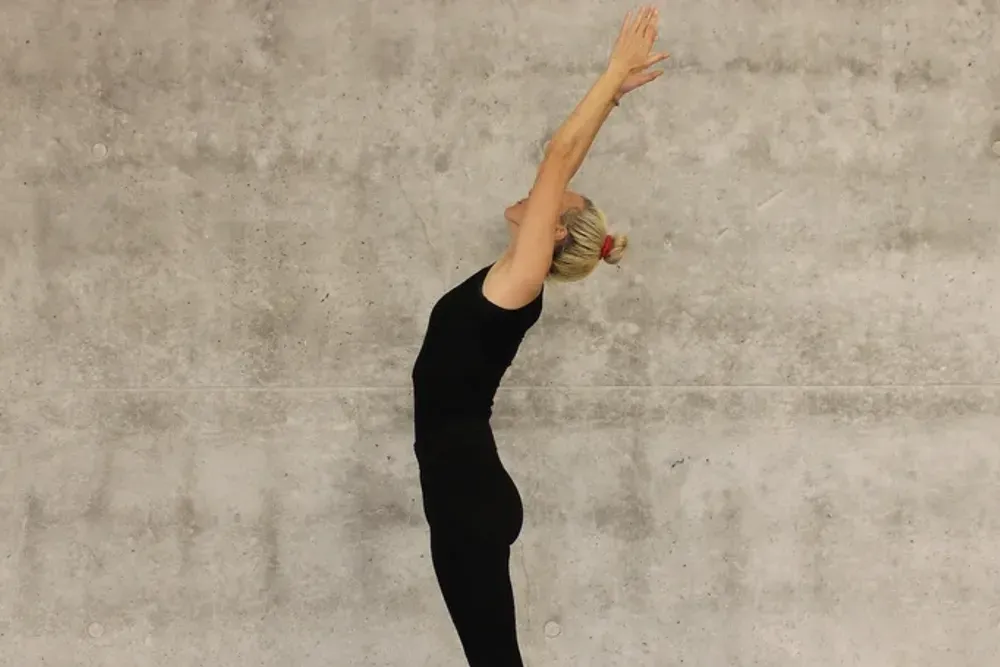
Flexibility is often overlooked in fitness routines, overshadowed by the emphasis on strength, cardio, and endurance. However, flexibility plays a crucial role in maintaining overall health and well-being. From improving posture and reducing the risk of injury to enhancing athletic performance and promoting relaxation, flexibility impacts every aspect of our daily lives. In this blog post, we’ll delve into the importance of flexibility for the health of the body and explore how incorporating flexibility training into your routine can lead to a happier, healthier you.
Improved Range of Motion
Flexibility training helps improve joint mobility and range of motion, allowing you to move more freely and perform daily activities with greater ease. Whether it’s bending down to tie your shoes, reaching for an item on a high shelf, or participating in your favorite sport, maintaining adequate flexibility is essential for functional movement and independence.
Injury Prevention
Flexible muscles and joints are less prone to injury than tight, inflexible ones. By regularly stretching and lengthening muscles, you can reduce the risk of strains, sprains, and other musculoskeletal injuries. Flexibility training also helps correct imbalances in muscle strength and flexibility, which can contribute to better biomechanics and lower the risk of overuse injuries.
Postural Alignment
Poor posture is a common problem in today’s sedentary society, often leading to neck, shoulder, and back pain. Flexibility exercises target tight muscles that contribute to poor posture, such as those in the chest, shoulders, and hips, helping to restore proper alignment and alleviate discomfort. Improved posture not only reduces pain but also enhances breathing, digestion, and overall body mechanics.
Stress Reduction
Flexibility training has been shown to promote relaxation and reduce stress levels. Stretching exercises, particularly those that involve deep breathing and mindful movement, can help calm the mind, release tension, and promote a sense of well-being. Incorporating flexibility exercises into your daily routine can provide a much-needed break from the stresses of daily life, allowing you to unwind and recharge both mentally and physically.
Enhanced Athletic Performance
Flexibility is a key component of athletic performance, affecting speed, agility, power, and endurance. Flexible muscles and joints allow for a greater range of motion during sports and exercise, enabling you to move more efficiently and effectively. Whether you’re a competitive athlete or a recreational fitness enthusiast, improving flexibility can help optimize your performance and reduce the risk of sports-related injuries.
Aging Gracefully
As we age, our muscles naturally lose elasticity and joint mobility tends to decline. Flexibility training can help counteract these age-related changes, allowing older adults to maintain independence, mobility, and quality of life. Regular stretching and flexibility exercises can improve balance, coordination, and functional ability, reducing the risk of falls and injuries associated with aging.
Flexibility is not just about touching your toes or performing impressive yoga poses; it’s about fostering overall health and vitality from the inside out. By prioritizing flexibility training as part of your fitness regimen, you can reap a multitude of benefits, from improved range of motion and injury prevention to stress reduction and enhanced athletic performance.